I thought I'd never open a jar again. Now I'm back in my garden, and my hands remember what they're for.

Margaret T., Portland OR
Rheumatoid Arthritis · 14 months in treatmentBelow, we answer the questions your rheumatologist hasn't had time to explain — in plain language, without the fear.
Understanding your symptoms
Morning stiffness lasting over 30 minutes is one of the hallmark signs of inflammatory arthritis — it's your immune system working overnight.
While you sleep, inflammatory cytokines accumulate in your joint fluid. Because you're not moving, this fluid pools and thickens. The stiffness you feel when you wake up is that inflammation pressing against the joint lining. With osteoarthritis, stiffness usually eases within a few minutes of gentle movement. In rheumatoid arthritis or other inflammatory types, it can last an hour or more — sometimes the whole morning. This is clinically significant: your rheumatologist will ask specifically how long your morning stiffness lasts because it helps measure how active your disease is.
Synovial fluid — the lubricant inside your joints — is produced by the synovial membrane. In inflammatory arthritis, the immune system mistakenly attacks this membrane, causing it to thicken and overproduce fluid. This produces a warm, swollen joint. At night, gravity no longer helps drain this excess fluid, so it pools. Cytokines like TNF-alpha and IL-6 are at their highest concentration in the early morning hours, which is why 6–8am is often the worst time. This is also why many biologics specifically target TNF-alpha or IL-6 receptors.

Morning warmth and gentle movement help disperse overnight inflammation
Autoimmune fatigue is not ordinary tiredness — it's your body spending enormous energy fighting an internal inflammatory response.
Fatigue is one of the most misunderstood symptoms of autoimmune disease. It's not fixed by sleep. When your immune system is chronically activated, it consumes metabolic resources at a rate similar to fighting a serious infection — constantly. Pro-inflammatory cytokines like IL-1 and TNF directly suppress energy metabolism in your cells. Many patients describe it as "bone tiredness" or feeling like they're moving through water. The cruel part is that it's invisible — you look fine to everyone else. Recognizing this as a biological symptom (not weakness or depression) is the first step toward managing it.
Research has identified a specific pathway: inflammatory cytokines activate the hypothalamic-pituitary-adrenal (HPA) axis, which disrupts your sleep architecture even when you sleep a full eight hours. You're getting less deep (restorative) sleep. Additionally, chronic inflammation causes mild anemia in many RA patients — your red blood cells carry less oxygen, making every physical task harder. Effective treatment of the underlying inflammation typically improves fatigue significantly within 3–6 months.

Quality sleep matters — but autoimmune fatigue requires treating the root inflammation
Flares are periods of increased disease activity — they're real, they're biological, and they're usually triggered by identifiable stressors.
Common flare triggers include physical stress (illness, surgery, injury), emotional stress, sleep deprivation, certain foods (especially high-glycemic and ultra-processed), and — for some — skipping or changing medication. Not every flare has a clear cause, which can be deeply frustrating. Tracking your symptoms alongside sleep, stress levels, and diet in a simple journal often reveals patterns over time. It's important to distinguish a true flare (lasting more than a few days, involving multiple joints, with systemic symptoms like fatigue) from a single bad day. Your rheumatologist will help you know the difference.
Ready to talk about your symptoms?
Our rheumatologist has seen this before — and knows what to do next.
Your diagnosis, decoded
A positive RF or anti-CCP test confirms your immune system is producing antibodies against your own joint tissue — but negative doesn't mean you don't have RA.
The two most common tests are Rheumatoid Factor (RF) and anti-CCP (anti-cyclic citrullinated peptide antibodies). Anti-CCP is more specific — it's almost exclusively elevated in RA and often appears years before symptoms. Your CRP (C-reactive protein) and ESR (erythrocyte sedimentation rate) measure general inflammation levels. About 20% of RA patients are "seronegative" — meaning their blood tests are normal despite having inflammatory arthritis. This is why imaging (ultrasound, MRI) and clinical examination matter as much as blood work. A number on a lab report is one piece of a larger picture.
Anti-CCP antibodies are formed when your immune system encounters citrullinated proteins — proteins that have been chemically modified by an enzyme called PAD4. In RA, this process goes into overdrive inside the joint. The presence of anti-CCP at high levels (above 60 U/mL) is associated with more aggressive, erosive disease and often influences the decision to start treatment earlier. RF (rheumatoid factor) is an antibody against IgG immunoglobulin — it's positive in about 70–80% of RA patients but also in some healthy people and in other conditions.
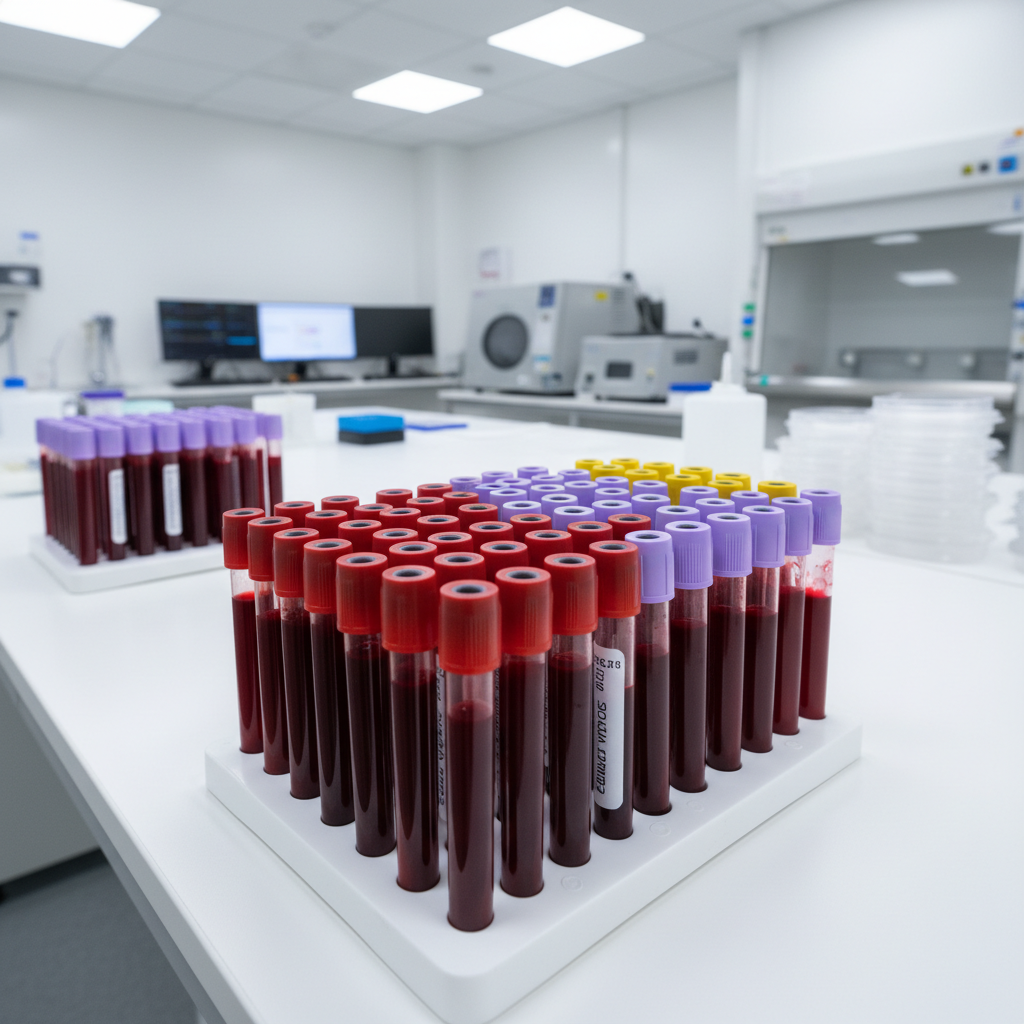
Blood markers tell part of the story — clinical examination tells the rest
Osteoarthritis is wear-and-tear; rheumatoid arthritis is your immune system attacking healthy tissue. The treatments — and the outlook — are completely different.
Osteoarthritis (OA) is degenerative — cartilage gradually wears down, usually in weight-bearing joints like knees and hips, typically after 60. It's worsened by activity and improves with rest. Rheumatoid arthritis (RA) is autoimmune — your immune system generates inflammation in the synovial lining of joints, causing swelling, heat, and over time, joint erosion. RA typically affects the small joints of the hands and feet symmetrically (both sides), can occur at any age, and is worse after rest (morning stiffness). RA also involves the whole body — fatigue, low-grade fever, and systemic inflammation — while OA is purely local.
At the cellular level, RA involves a cascade: activated T-cells trigger B-cells to produce autoantibodies, which activate macrophages, which release TNF-alpha, IL-1, and IL-6. These cytokines stimulate synoviocytes (cells in the joint lining) to proliferate and form a destructive tissue called "pannus." Pannus invades cartilage and bone, causing the erosions visible on X-rays. This is why early, aggressive treatment matters — once erosions occur, the structural damage is permanent. Modern biologics interrupt specific points in this cascade with remarkable precision.

Early imaging can detect inflammation before structural damage occurs
The average time from first symptoms to RA diagnosis is still over a year — mostly because early symptoms are dismissed as stress, aging, or minor injury.
Many patients see 3–5 physicians before reaching a rheumatologist. Early RA is genuinely difficult to diagnose: blood tests can be negative, joints may not look visibly swollen, and symptoms are intermittent. The ACR/EULAR classification criteria for RA include joint involvement, serology, inflammatory markers, and symptom duration — no single test is definitive. If you've had morning stiffness in multiple joints for more than 6 weeks, fatigue, and swelling, that combination warrants a rheumatology referral. You don't need a GP to have already diagnosed you — that's what the specialist appointment is for.
Ready to talk about your symptoms?
Our rheumatologist has seen this before — and knows what to do next.
Treatment — what it actually does
No — biologics are targeted therapies that block specific immune proteins. Chemotherapy broadly kills dividing cells. They work in completely different ways.
The confusion is understandable — both are used in cancer treatment and both can affect the immune system. But the mechanisms are entirely different. Chemotherapy (like cyclophosphamide) damages or kills rapidly dividing cells indiscriminately. Biologics are precision medicines: engineered antibodies or receptor blockers that bind to a single target — like TNF-alpha, IL-6, or JAK pathways — and interrupt the inflammatory cascade at a specific point. Methotrexate, often prescribed alongside biologics, is technically a chemotherapy drug at cancer doses, but at the much lower doses used in RA (7.5–25mg/week vs. 1,000mg/m² in cancer), it works as an immunomodulator with a completely different profile.
There are currently five main classes of biologics used in RA: TNF inhibitors (adalimumab, etanercept, infliximab), IL-6 inhibitors (tocilizumab, sarilumab), B-cell depleting agents (rituximab), T-cell costimulation blockers (abatacept), and JAK inhibitors (tofacitinib, baricitinib — technically "small molecule" targeted synthetics, not true biologics). Each works at a different point in the immune cascade. Your rheumatologist will choose based on your specific disease profile, other health conditions, and sometimes genetic markers. Most patients try a TNF inhibitor first; if that fails, switching to a different mechanism often succeeds.
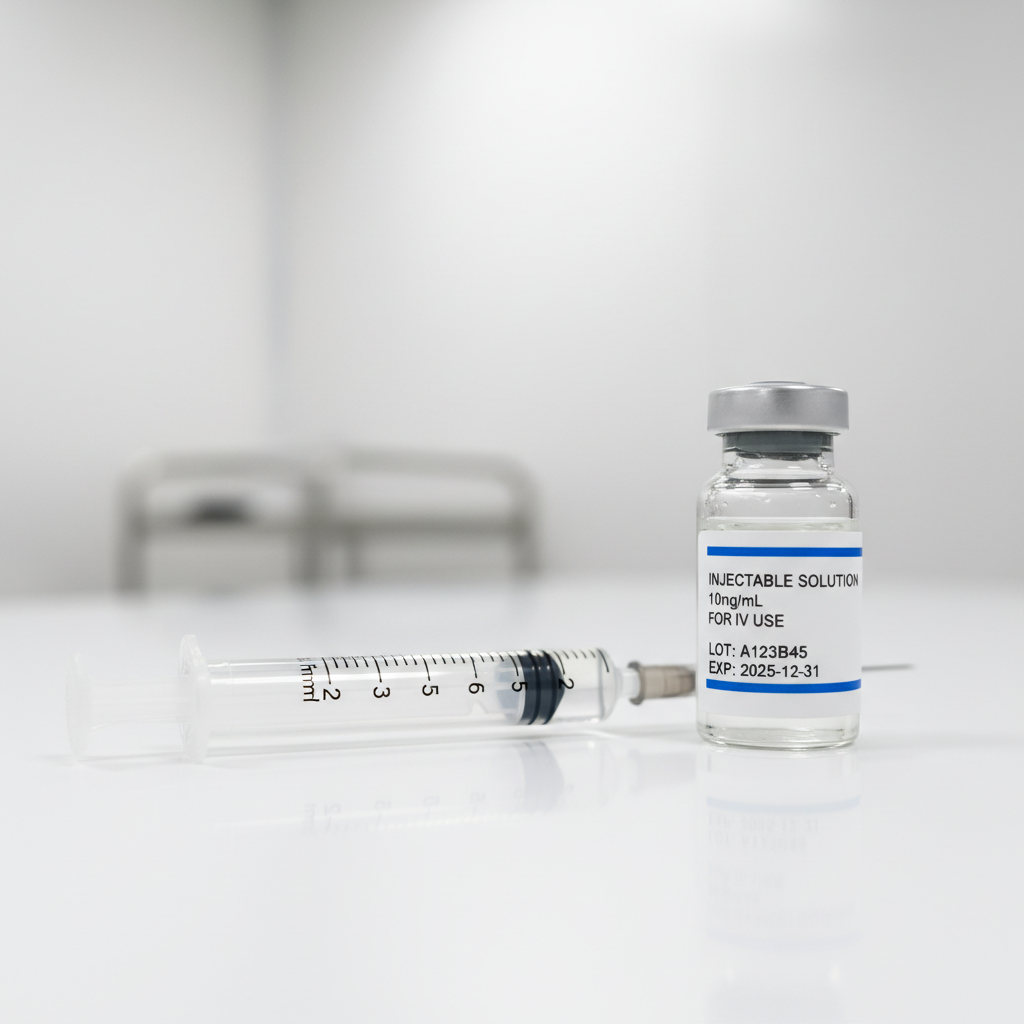
Modern biologics are engineered to interrupt specific inflammatory pathways
Many patients achieve sustained remission and can reduce or pause medication — "forever" is rarely the reality for those who respond well to treatment.
This is one of the most important questions to ask your rheumatologist, and the honest answer is: it depends. For some patients, biologics achieve deep remission and can be tapered or even stopped — particularly if remission is sustained for 12–24 months. Studies suggest 30–50% of RA patients in remission can successfully taper their biologic without flaring. For others, ongoing treatment is needed to maintain disease control. The goal of modern rheumatology is "treat-to-target" — aiming for remission or low disease activity, not just symptom management. Many patients who've been on injections for years are on much lower frequencies than when they started.
Methotrexate reduces inflammation by interfering with folate metabolism in immune cells — it's the cornerstone of RA treatment for good reason.
Methotrexate (MTX) inhibits an enzyme called dihydrofolate reductase, which immune cells need to divide and produce inflammatory mediators. At low doses used in RA, it doesn't kill cells — it calms overactive immune cell proliferation. It's been used in RA since the 1980s and remains the most studied DMARD (disease-modifying antirheumatic drug) with a long safety record. It takes 6–12 weeks to reach full effect. Folic acid supplementation (taken on days you're not taking MTX) significantly reduces side effects like nausea and mouth sores. Most patients tolerate it well; those who don't have many alternatives.
Ready to talk about your symptoms?
Our rheumatologist has seen this before — and knows what to do next.
Living well with your condition
Yes — and you should. Appropriate exercise reduces inflammation, preserves joint function, and improves fatigue. The key word is appropriate.
Rest was historically prescribed for RA flares. The evidence now strongly supports the opposite: gentle, consistent movement reduces synovial inflammation, strengthens the muscles that protect joints, and improves mood and energy. During a flare, low-impact activities like swimming, water aerobics, cycling, or gentle yoga are ideal. Avoid high-impact activities on actively inflamed joints. Outside of flares, strength training is particularly valuable — strong muscles act as natural shock absorbers for vulnerable joints. A physiotherapist experienced in inflammatory arthritis can design a program that protects while building. Many patients are surprised how much better they feel after six weeks of consistent, adapted exercise.
A 2018 Cochrane Review of 130 trials found that exercise significantly improves physical function, pain, and fatigue in RA without increasing disease activity. Aerobic exercise reduces CRP (a key inflammation marker) and TNF-alpha levels. Resistance training increases muscle mass that protects joints and improves insulin sensitivity, which is relevant because metabolic dysfunction worsens systemic inflammation. The anti-inflammatory effects of regular moderate exercise are now considered equivalent to some pharmaceutical interventions for mild disease.

Swimming is one of the most recommended activities for inflammatory arthritis
Remission means your disease activity has dropped to near-zero — most patients describe it as "remembering who I was before."
Clinical remission in RA is defined by specific criteria: tender joint count below 1, swollen joint count below 1, CRP below 1 mg/dL, and a patient global assessment score below 1 on a 0–10 scale. But what does it feel like? Patients consistently describe: waking up without the usual stiffness, being able to open a jar or button a shirt without planning, having energy after dinner, and — emotionally — not having the disease as a constant background presence. Remission is achievable for many patients with current treatments. It may take trying 1–3 medications to find the right one. It's worth pursuing.
"Chronic" means managed, not ended. Most parents with well-treated autoimmune disease live full, active family lives.
A diagnosis of chronic autoimmune disease is devastating when you have young children. The fear that you'll miss their childhood, that you'll be defined by your limitations, is real and it's valid. Here's what the evidence shows: patients who achieve remission or low disease activity with modern treatments have quality-of-life scores comparable to the general population. Treatment has transformed RA from a progressively disabling disease to, for many, a manageable condition. The first year is usually the hardest — finding the right medication, learning your body's patterns, adjusting. By year two, most patients report that their disease no longer defines their daily life.
Ready to talk about your symptoms?
Our rheumatologist has seen this before — and knows what to do next.
Life in treatment
Three patients. Three diagnoses. What they want you to know.

"The first six months were the hardest. Then the biologic started working and I remembered what mornings were supposed to feel like — just waking up, not negotiating with my body."

"My GP kept telling me it was just back strain. Two years later I finally got the right name for it. Knowing what it is made it less frightening — and treatable."

""Chronic" felt like a life sentence. Now I understand it means managed, not ended. My kids don't even remember when I couldn't get on the floor with them."
Book your consultation
A 45-minute appointment with Dr. Elena Vasquez. No referral needed. Bring your questions — we've already heard them.
Download your condition guide
Not ready to call? Take a plain-language PDF home. It covers your diagnosis, what to expect in the first year, and questions to ask your doctor.